How Are Custom Treatment Plans Built in Orthodontics?
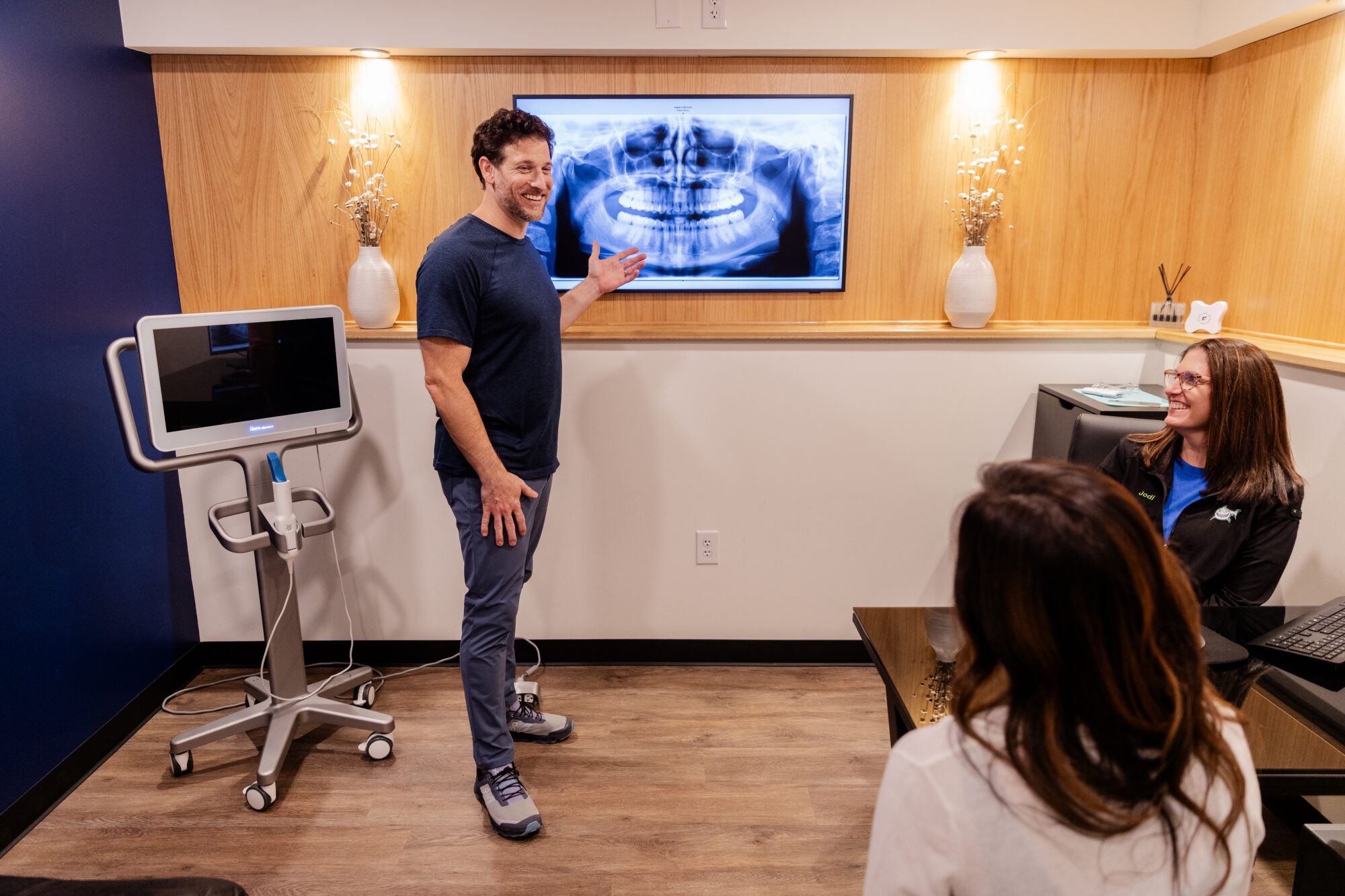
How are custom treatment plans built? They start with your records, not a template. At Pechersky Orthodontics, Dr. David Pechersky, DMD, an orthodontic specialist and 30-year veteran of the field, studies your teeth, your bite, and your goals before a single bracket or aligner goes in.
What Is a Custom Orthodontic Treatment Plan?
A custom orthodontic treatment plan is a personalized, step-by-step blueprint that maps how each tooth and jaw will move from day one through retention. It’s built from your own diagnostic records: 3D digital scans, X-rays, photos, and a hands-on bite exam. The plan sets your appliance, movement sequence, estimated timeline, and retainer strategy.
That last part matters. A plan isn’t just “which teeth move.” It’s the order they move in, how the roots travel through bone, and what holds everything in place afterward.
A mail-order kit works from a mold of the tooth crowns you can see. A doctor-built plan accounts for what sits under the surface: root angles, bone levels, unerupted teeth, and jaw growth in kids and teens.
Nothing here is frozen in place, either. Teeth are biological, and they don’t always move exactly on schedule. Dr. Pechersky reviews your progress at each appointment and adjusts the sequence when your teeth tell him something new.
It’s a living document with one goal: a great bite that works as well as it looks.
How Are Custom Treatment Plans Built Step by Step?
Orthodontists build a custom treatment plan in six steps: a clinical exam, digital records, diagnosis, a virtual tooth-movement setup, appliance selection and sequencing, and a case review with you before anything starts. Most of the work happens before your first bracket or aligner, which is why the planning appointment matters so much.
Step 1: What Happens at Your Free Consult and Clinical Exam?
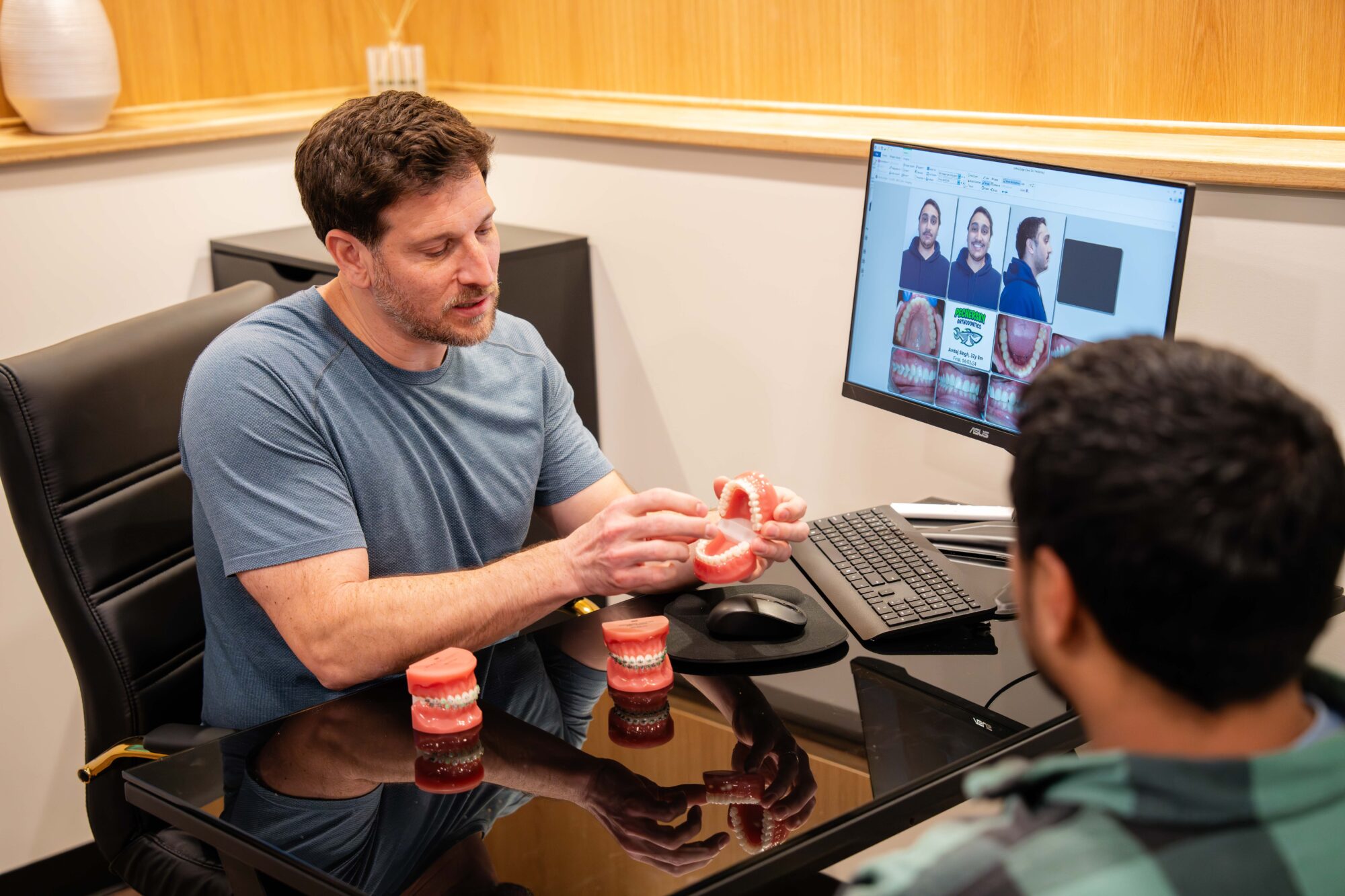
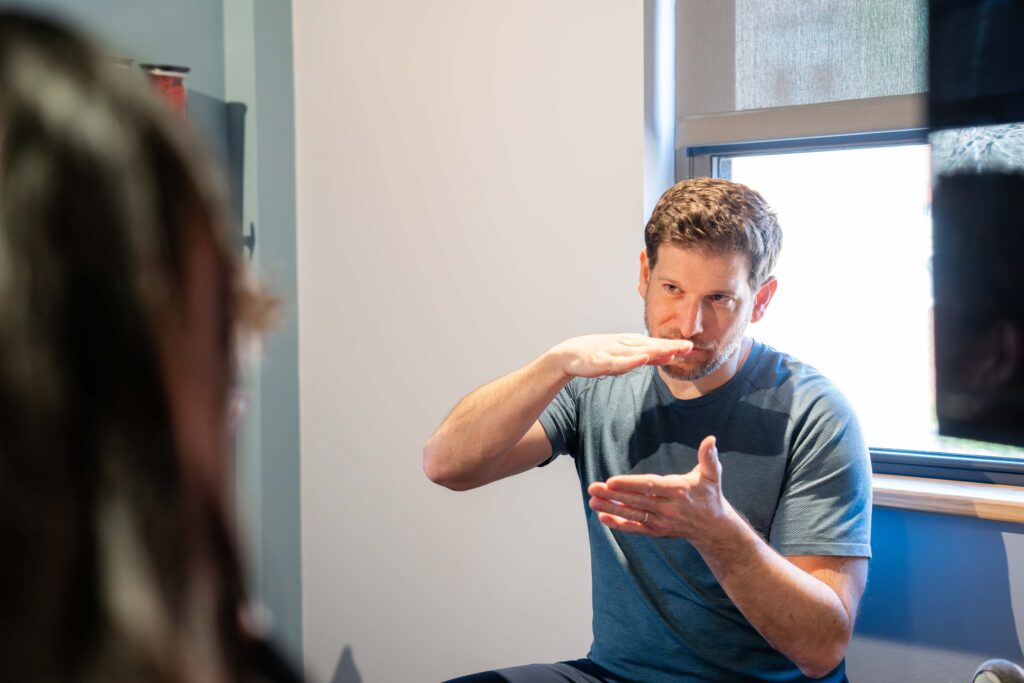
Everything starts with a look inside your mouth. Dr. Pechersky checks how your teeth meet, where crowding or spacing sits, how your jaw joint moves, and whether your airway or breathing patterns need attention. He’ll also ask what bothers you most, because your priorities shape the plan.
Step 2: What Digital Records Does Your Plan Require?
Next come the records. That usually means:
- An intraoral 3D digital scan of your upper and lower arches
- A panoramic X-ray showing all teeth, roots, and jaw structures
- A cephalometric X-ray measuring jaw and facial relationships
- Facial and intraoral photographs for reference and comparison
Digital scans have replaced the old putty trays at most modern practices. No goop, no gagging, just a small wand and a few minutes, which is why patients here describe the scan as easy and comfortable from start to finish.
Step 3: How Does Dr. Pechersky Reach a Diagnosis?
Now the measuring begins. Crowding is quantified in millimeters. Overjet, overbite, midline position, tooth angulation, and root position all get evaluated together. This is where a bad bite gets a specific name instead of a vague one.
Step 4: What Does the Digital Setup Show You?
Using your scan, the teeth are moved virtually into their target end position. This simulation shows the finish line and helps determine whether space needs to be created, whether elastics are required, and how many stages the case will take.
Step 5: How Are Appliances Selected and Sequenced?
With a goal in hand, the tools get chosen: clear aligners, metal braces, clear braces, a 3D palatal expander, elastics, or a combination. Sequencing matters as much as selection. Expanding before aligning, or leveling before closing space, keeps forces reasonable and results stable.
Step 6: How Are the Case Presentation and Retention Plan Handled?
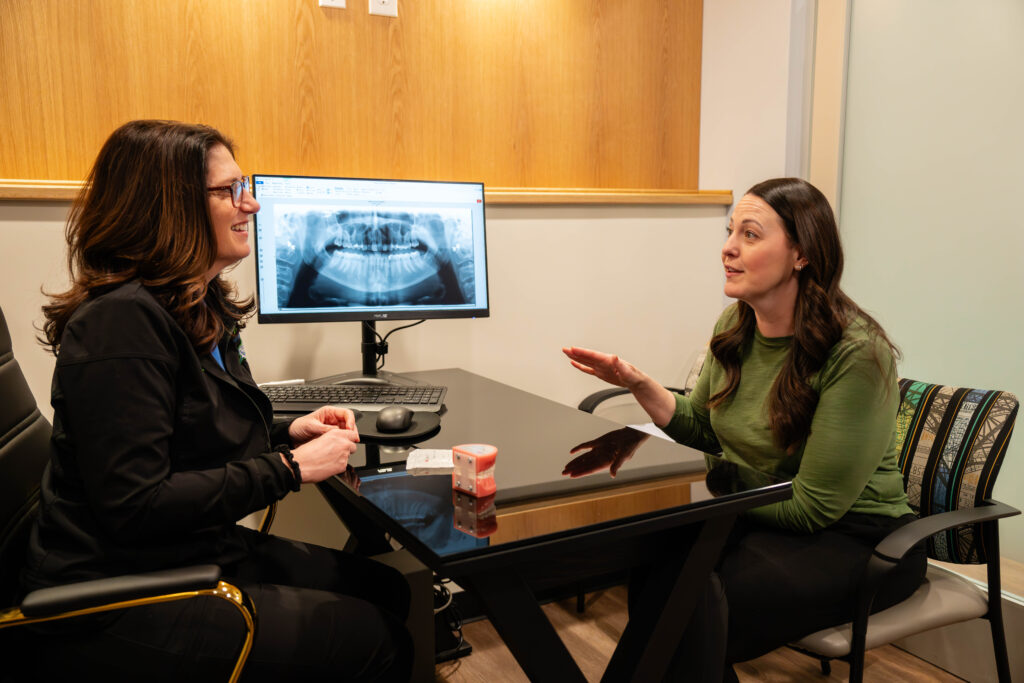
Finally, we sit down and go through it together. Timeline, appointment frequency, appliance options, cost, and the retainer plan all get covered before you commit. The American Association of Orthodontists notes that treatment length varies considerably from one case to the next, so your estimate comes from your own records rather than an average. Ask questions here. It’s your bite.

Why a Personalized Plan Produces Better Results
A custom treatment plan built around your anatomy simply moves teeth more predictably than a generic one. Here’s what that buys you:
- Gentler, smarter forces. When movements happen in the right order, roots and gum tissue take less strain. Rushing teeth through bone is how you invite trouble later.
- Fewer surprises. Your estimated timeline, number of appointments, and appliance changes are mapped in advance, so you know what’s coming.
- A bite that functions. Straight front teeth look nice. A great bite lets you chew, speak, and close comfortably, and that’s the part you live with every day.
- A preview before you commit. Digital simulations show the projected end result, which makes the decision far easier.
- Better timing for kids and teens. Growth is an asset. Planning around growth spurts can shorten or sometimes eliminate a second phase of treatment later.
It’s what the treatment does for you outside the office that matters. A well-planned case fits into your life instead of interrupting it.
Custom Treatment Plans vs. Mail-Order Aligner Plans
Both approaches straighten teeth. Only one includes a doctor examining your mouth, your X-rays, and your progress along the way.
| Planning Element | Custom In-Office Plan | Mail-Order Aligner Plan |
|---|---|---|
| In-person clinical exam | Yes, with a licensed orthodontist | Typically none |
| X-rays (panoramic, cephalometric) | Standard part of records | Usually not taken |
| 3D digital scan | Taken in office by trained staff | Often a mail-in impression kit |
| Root position and bone assessment | Evaluated before movement begins | Not visible without radiographs |
| Mid-course correction | Refinements made when teeth track off-plan | Limited or additional-fee options |
| Progress monitoring | Regular in-person appointments | Remote photo check-ins |
| Complex cases (extractions, jaw discrepancies) | Planned and managed in office | Generally not suitable |
| Retention planning | Built into the plan from the start | Varies by company |
X-rays are the biggest gap. They reveal short or angled roots, bone levels, impacted or missing teeth, and pathology nobody would see otherwise. Moving teeth without that information is guesswork.
Doctor-supervised care also allows course correction. Teeth sometimes lag behind the digital projection. When that happens, Dr. Pechersky re-scans, refines, and keeps the case on track instead of pushing forward with trays that no longer fit the plan.
If your case involves extractions, a significant jaw size difference, or a crossbite, in-office planning isn’t a luxury. It’s the only responsible way to do it.
What Affects the Cost of a Custom Treatment Plan
The cost of a custom treatment plan depends on five things: case complexity, appliance choice, treatment length, the number of monitoring appointments, and what’s bundled into the fee. Mild crowding costs less than bite correction with extractions or two-phase treatment. Many practices bundle diagnostic records, refinements, and your first retainers into one fee.
| Cost Factor | What Drives It Up or Down |
|---|---|
| Case complexity | Minor spacing sits at the low end; bite correction, extractions, or two-phase care sits higher |
| Appliance type | Clear aligners, metal braces, clear braces, and 3D palatal expanders all carry different lab and material costs |
| Treatment length | Longer cases mean more appointments, more adjustments, and more materials |
| Diagnostic records | Scans, X-rays, and photos are typically included in the total fee |
| Refinements and retainers | Often bundled, but always worth confirming before you start |
Insurance can help. Many dental plans include a lifetime orthodontic benefit, and HSA or FSA dollars usually apply to orthodontic care. Pechersky Orthodontics offers financing and insurance coordination plus an online payment portal, so the monthly number stays budget-friendly.
Dr. Pechersky wants you to save money while saving your smile. Ask for the full fee breakdown at your free consult, not after.
Who Needs a Custom Treatment Plan?
Almost anyone considering orthodontic care benefits from one, but a few groups especially need doctor-level planning:
- Kids around age 7. According to the American Association of Orthodontists, children should have a first orthodontic evaluation by age seven, when enough permanent teeth have come in to spot growth and eruption concerns early.
- Teens. Crowding, spacing, overbite, underbite, and crossbite are all easier to address while growth is still on your side.
- Adults. It’s never too late to get a great bite. That includes adults who wore braces years ago and watched teeth shift back after retainer use stopped.
- Anyone with jaw discomfort or TMD symptoms. Temporomandibular Disorder involves stiffness or soreness in the hinge joint that moves your lower jaw, and bite-focused planning is central to managing it.
- Patients with missing teeth, implants, or planned restorative care. Tooth position affects where a crown, bridge, or implant can go, so the orthodontic plan and the restorative plan need to be coordinated from the beginning.
Multi-generational families are common here. Plenty of households have been through three rounds of treatment with the same orthodontist: the kids, then their kids, and often a grandparent who decided a great bite was still worth having.
If that sounds like your household, a free consult is the place to start. Dr. David Pechersky, DMD, an orthodontic specialist and 30-year veteran, is also the inventor of Movemints®, the patented clear aligner mints that help aligner patients seat their trays more comfortably, a monu-mint-al innovation that came straight out of patient feedback. Our offices welcome kids, teens, adults, and everyone in your household, so bring your questions. Get your great bite with a free consult in the office or start with a virtual consult from home. Beware of great bites!
Frequently Asked Questions About Orthodontic Treatment Planning
How long does it take to get a treatment plan?
Usually two appointments. The first covers your exam and diagnostic records, which takes under an hour in most cases. Your plan is then designed and presented at a follow-up review, where you’ll see your simulation, timeline, appliance options, and fee.
Do I need X-rays for a treatment plan?
Yes. X-rays show root position, bone levels, unerupted or impacted teeth, and hidden pathology a surface scan can’t capture. Planning tooth movement without radiographs means moving roots blind, which is why doctor-supervised care always includes them.
Can my plan change during treatment?
Yes, and that’s normal, not a setback. Teeth respond at different rates, and progress checks exist to catch that. Dr. Pechersky adjusts sequencing, adds refinements, or modifies elastics when your teeth aren’t tracking as projected.
Is a virtual consult enough to build a full plan?
A virtual consult is a great screening tool. It tells you whether you’re a likely candidate, what options might suit you, and what to expect at your first appointment. Building the actual plan still requires in-office records: a 3D scan, X-rays, photos, and a hands-on bite exam.
How accurate are digital treatment simulations?
Simulations project the intended goal, not a guaranteed schedule. They’re an excellent planning and communication tool that shows where your teeth should end up. Biology sets the pace, so treat the projected timeline as an informed estimate that gets refined at your progress appointments.
Does a treatment plan include retainers?
Yes. Retention is planned from day one, not tacked on at the end. Your plan should specify the retainer type, how long you’ll wear it full-time, and the long-term nighttime schedule. Teeth drift throughout life, so retainers protect everything you worked for.