
Most parents picture braces on a teenager, so it surprises them to hear that an orthodontist wants to see their child around age 7. It is not about putting hardware on a second grader. It is about catching the things that are far easier to guide while a child is still growing. That early look is the whole idea behind early orthodontic treatment, and it can make later treatment shorter, simpler, or in some cases unnecessary.
Why age 7?
By about age 7, a child usually has a mix of baby and permanent teeth, and the jaw is developing fast. That combination gives an orthodontist the first clear view of how the bite is taking shape, while there is still plenty of growth left to work with. Spotting a developing crossbite, severe crowding, or a jaw imbalance now means it can often be guided rather than corrected the hard way later. Waiting until every permanent tooth is in sometimes closes that window.
What early treatment can address
Early, or interceptive, treatment is not the same as a full course of traditional braces. It targets specific issues while the mouth is still flexible, such as:
- Crossbites that can pull jaw growth off course
- Severe crowding, by creating room for permanent teeth to come in
- Protruding front teeth that are more prone to injury
- Habits like prolonged thumb-sucking that affect the bite
- Jaw width that needs gentle guidance during growth
Not every child needs to act at 7. For many, the evaluation simply establishes a baseline, and the orthodontist monitors growth and recommends treatment at the ideal moment. That is a win on its own: it takes the guesswork out of timing.
The two-phase approach
When early treatment is recommended, it often follows a two-phase model. Phase one, during the mixed-teeth years, addresses the structural issue, guiding jaw growth or making space. Then there is a resting period while the remaining permanent teeth arrive. Phase two, usually in the early teen years, fine-tunes the final alignment. Not every child needs both phases, and your orthodontist will only recommend phase one when it delivers a real benefit. If you are weighing the timing for your own child, our guide to the best age to get braces adds helpful context.
What to expect at the first visit
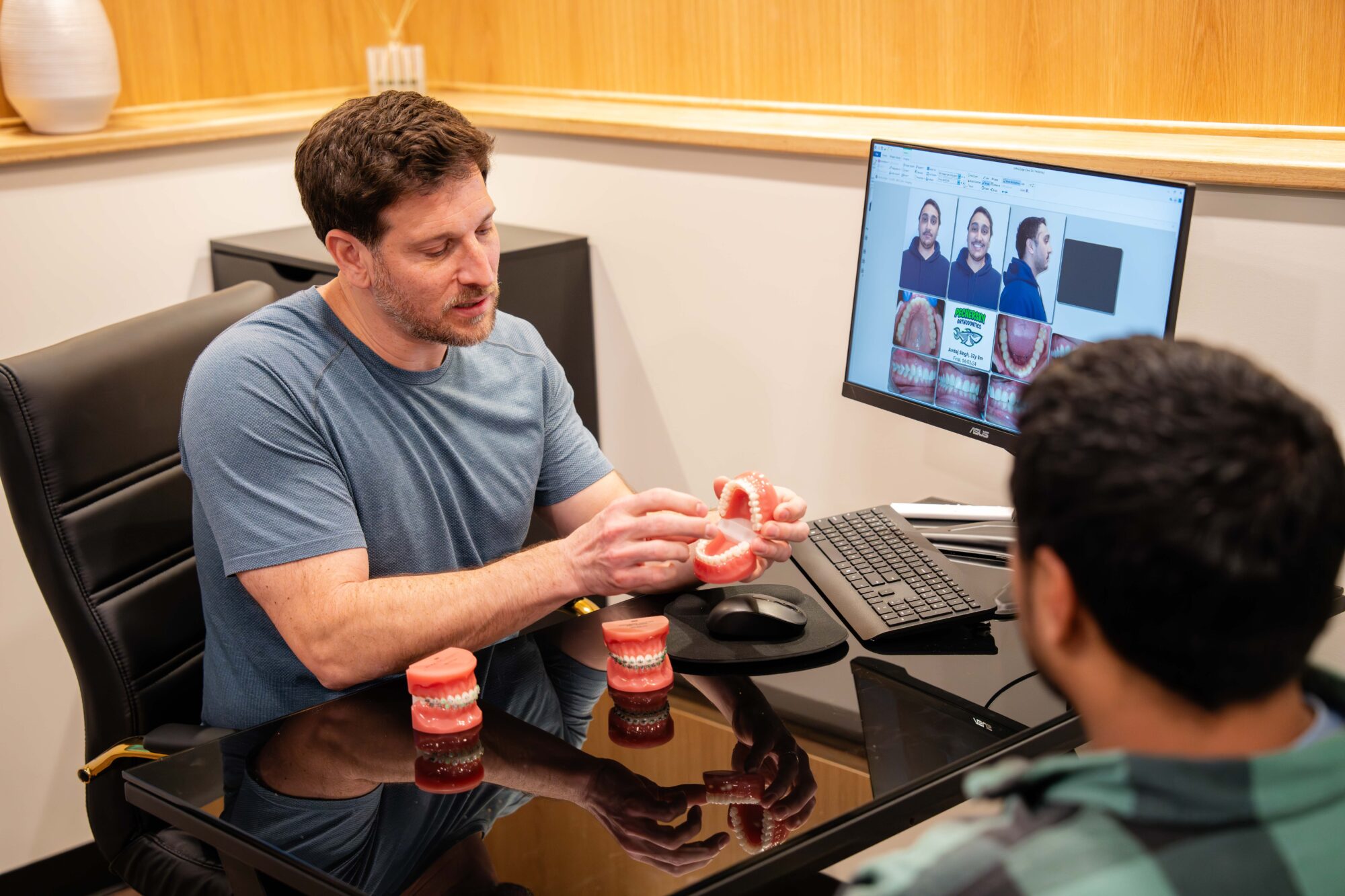
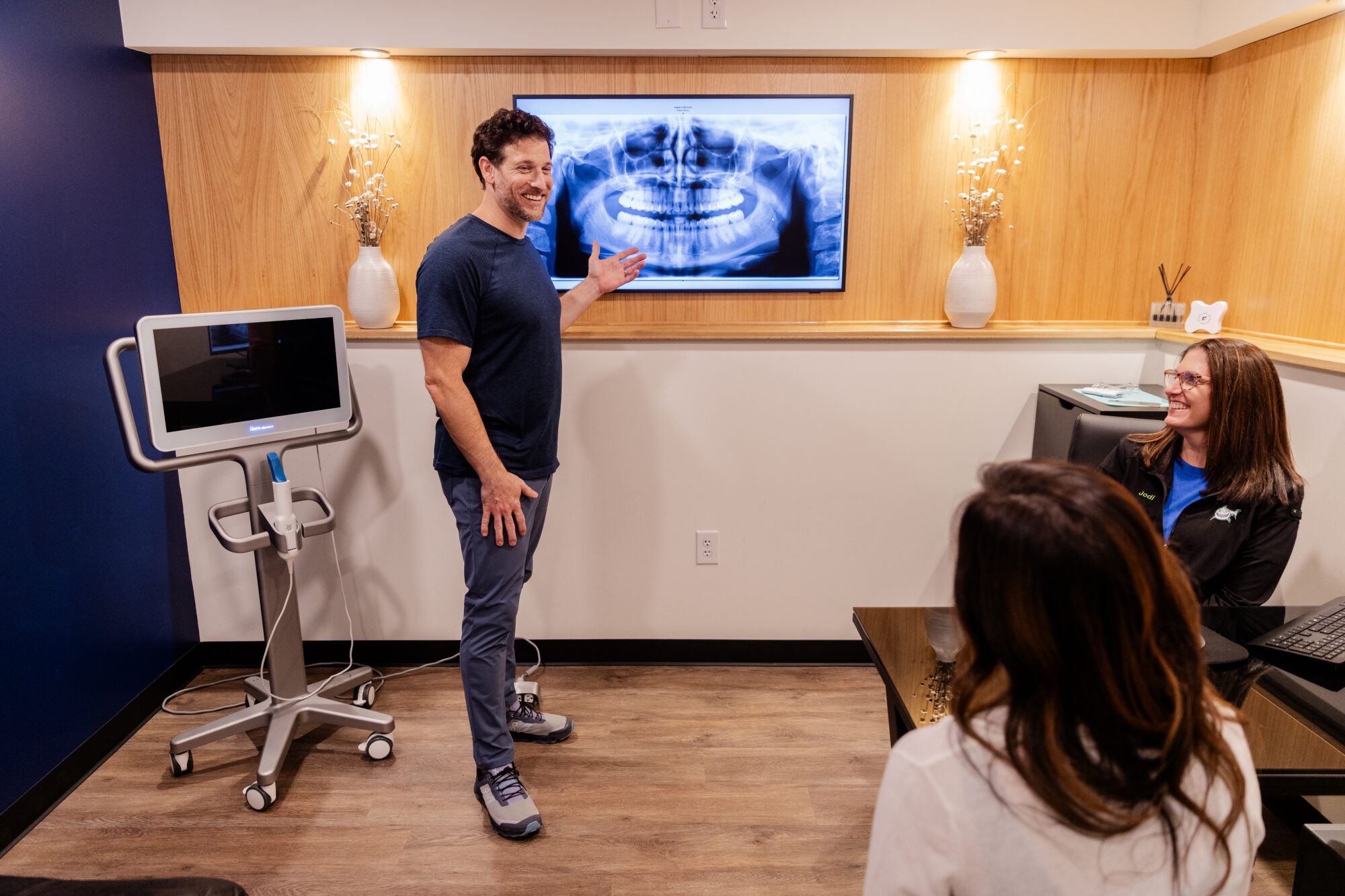
That initial appointment is low-pressure and built around your child. The orthodontist examines how the teeth and jaws are coming together, may take a few images, and explains what looks healthy and what is worth watching. You will leave knowing whether to start now or simply check back as your child grows. If you are unsure when to book, our note on timing your first orthodontic appointment can help you plan.
Dr. David Pechersky has guided countless young patients through this stage, and families across Pittsburgh and the surrounding area appreciate a clear, honest read on what their child actually needs rather than treatment for its own sake. The practice treats patients of every age, and you can explore that full philosophy of orthodontics for all ages, or read more about Dr. David Pechersky and his approach. For local families, the team also offers braces in Monroeville when the time is right.
A head start, not a rush
Early orthodontic treatment is really about timing, not speed. The goal is to use a child’s natural growth as an ally, so that whatever comes later, whether braces or clear aligners, is as straightforward as possible. An evaluation around age 7 is one of the simplest, lowest-commitment things you can do for your child’s long-term smile.
Is your child due for a first check? Schedule a free consultation and get a clear picture of where they stand.